

Estimated reading time : 10 mins
What you need to know about the Historical Property.
Historic poperies entail some beautiful old homes for sale in the market.
What you need to know about buying a Historic Property.
There are many people outside who may be interested in buying a property, not just any property but a historic property. However, buying a historic property is a little different from buying a regular property. Before you start shopping, there are some special considerations you have to keep in mind. There are stages at which you can get historic poverty, before or after it’s been designated.
Your first step when looking at a building that you own, the appraiser, your real estate agent, or the seller agent believes it is a historic house is to check the National Register of Historic Places. And with that, you have to know whether it is listed? If not, there is still a chance your property is a historic home.
The Advantages and Disadvantages of Historic Property
Historic properties have some advantages of having historic homes and these when seen by the homebuyers, get interested in buying the homes because there will be some benefits to them. These include:
Advantages of purchasing a historic home
Federal Income Tax Credit: From time to time, historic buildings may be eligible for federal income tax based on their rehabilitation cost. There are some listed properties on the National Register of the historic place that may be eligible and also the single-family residences may be also eligible more so in some days to come.
Technical Assistance: The community development department and the historic preservation committee can assist in the historic you with the historic preservation design guidelines and some technical assistance. Routine maintenance, extensive restoration, or rehabilitation must always be done carefully to ensure that the historic value of the home is not diminished.
Neighborhood protection plan: Historic designation generally controls the size, quality, and scale of the new construction and also helps in the restriction of demolition hence protecting the character and quality of a neighborhood.
Property Value: The Landmark status helps a lot in the historic buildings in making good directions to the property hence increasing the property value.
States the historical Building code: The historic buildings codes allow some flexibility that can result in a good percentage cost of savings. The owners of the buildings can utilize the state historic building code in lieu of the uniform building code.
Disadvantages of purchasing a historic home.
More expensive: Older houses are always expensive to maintain, repair, and even renovate than the new ones. And also, it takes a lot of time conducting all the processes and upkeep thus being a constant battle. Especial a historic home having over 50 years this will need a lot of time, materials and many more expenses.
Sudden surprises: Because the historic homes have had a long life, they may contain chapters within them. An example had an interim life as a warren of small apartments during the period when brownstone was considered an old hat. The features of your home may have gotten damaged.
Historic homes are full of surprises in that many things in them always damage that you don’t even expect such as water damages and some unwanted termites on the walls. The Discovery of such can cost some serious time and money to fix.
Applying to the national register: Whether you are an existing homeowner or you want to buy a home property that you know is a historic home, it is very important to know where to start from on the nomination process. The process typically starts by contacting your state's historic preservation and following the national register for evaluation standards.
Possible restrictions on changes: Some historic districts or some associations will not allow renovations that could change the style or the sync with the historical period. In addition, even environmental or maintenance reasons may not be allowed.
Owners of officially designated homes are often required to follow the style and convection of the period the building is from. As a result, you may restrictions on what to change.
Higher Ongoing Cost: All Homes have an ongoing cost, such as insurance, inspection, and property taxes but these expenses may be higher on a historic home. Insurance companies may charge more because repairs may cost more.
Inspections may be more stringent than they would be in a none historic home, Paying taxes may be higher especially in the historic district. Factors in higher ongoing cost for owning the home to your overall financial projects.
Final Thoughts: The national historic preservation has clearly outlined the requirements for inclusion. Any property includes for preservation is a national treasure with historic significance and should be treated with a lot of respect and reverence.
Before buying a historical home, be sure of the pros and cons because they will help you in decision-making. It is important to consider potential renovation and upkeep costs and balance them with your budget. If the advantages overweigh the disadvantages then you are good to invest in a historic home and make it the property of your choice.

Related Articles

Important Tips to consider when Buying a Condominium.
Real estate investors know condos are a good investment just as compared to other rental properties.
Estimated reading time : 10 minuts 10-09-2021
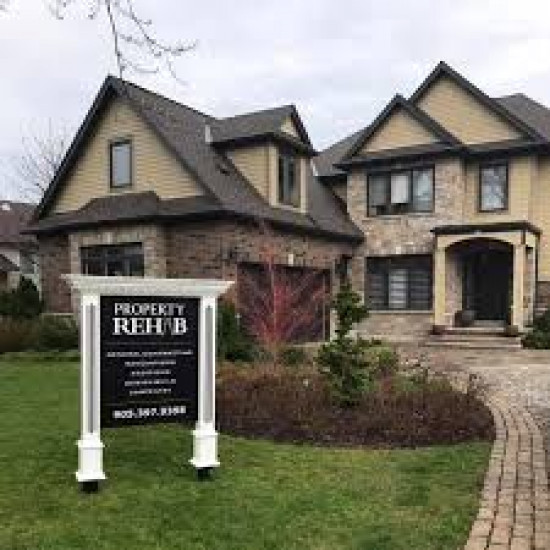
Descriptions on How to Rehab a Home
Rehabbing a home is a good idea when buying a home it is important to work with professionals.
Estimated reading time : 10 minuts 10-09-2021

Networking Tips for Real Estate Agent in Kenya
When you network you expand your base of potential clients and creating strong relationships.
Estimated reading time : 10 minuts 09-09-2021


